Facts About Pompeii — 50+ Fascinating Facts About the Ancient City
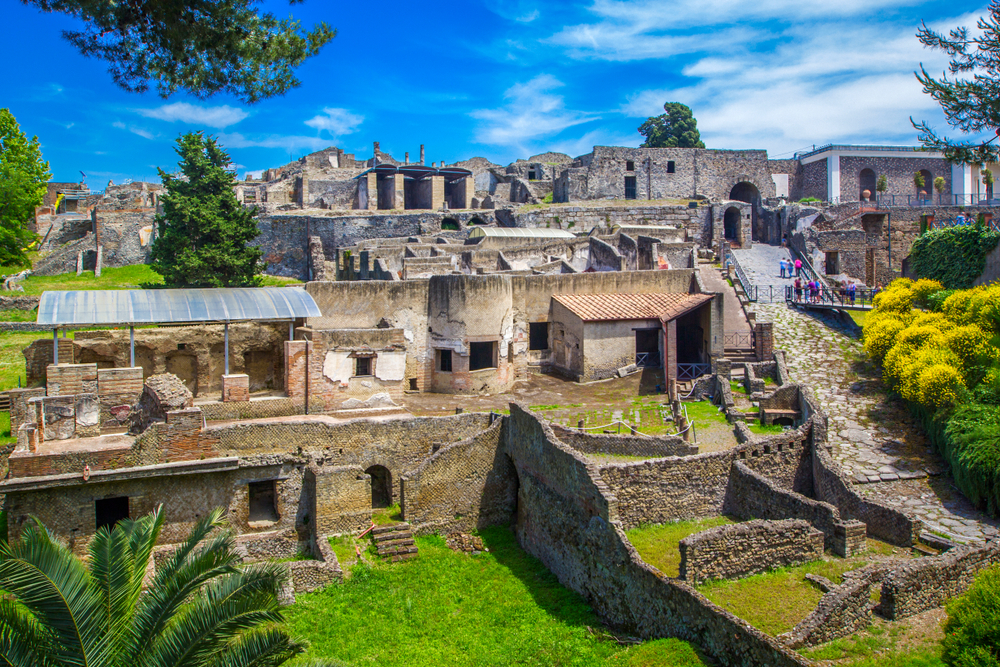
Fascinating Facts About Pompeii
Pompeii is one of the most studied archaeological sites in the world, and the discoveries made there continue to surprise historians and scientists. This hub page collects the most fascinating pompeii city facts and essential pompeii city information, linking to detailed explorations of specific topics.
Quick Facts
- Founded: 7th-6th century BC by the Osci people
- Destroyed: August 24-25, 79 AD by Mount Vesuvius
- Population: Approximately 11,000
- Area: 66 hectares (163 acres)
- Burial depth: 4-6 meters of volcanic material
- Rediscovered: 1748 (systematic excavation)
- UNESCO status: World Heritage Site since 1997
- Annual visitors: ~4 million
- Percentage excavated: ~66%
History Facts — Key Pompeii City Facts
- Pompeii was originally founded by the Osci, not the Romans. It became a Roman colony in 80 BC.
- The city was a multicultural melting pot with Oscan, Greek, Samnite, and Roman influences visible in its architecture and inscriptions.
- A devastating earthquake struck Pompeii in 62 AD, and many buildings were still being repaired when the eruption occurred 17 years later.
- Pompeii's amphitheatre, built around 70 BC, is the oldest known permanent stone amphitheatre in the Roman world — older than Rome's Colosseum by over a century.
- The city had a sophisticated water supply system with lead pipes, public fountains, and private connections to homes and businesses.
Eruption Facts
- The eruption of Vesuvius in 79 AD released 100,000 times the thermal energy of the Hiroshima atomic bomb.
- The eruption column reached an estimated 33 km (20 miles) into the atmosphere.
- Pumice and ash fell on Pompeii at a rate of approximately 15-20 cm per hour during the first phase.
- Pyroclastic surges reached temperatures of 300-700 degrees Celsius and speeds up to 700 km/h.
- Pliny the Elder, the famous Roman naturalist and commander of the Roman fleet, died during the eruption while attempting a rescue mission.
Daily Life Facts
- Pompeii had at least 33 bakeries (pistrinae), most with their own grain mills.
- Over 80 thermopolia (ancient fast-food counters) have been found, serving hot food and drinks to the public.
- The city had at least 25 brothels, according to various estimates by archaeologists.
- Pompeii's elaborate public baths had heated floors (hypocaust system), hot and cold pools, and exercise areas.
- Graffiti covers the walls of Pompeii — over 11,000 individual inscriptions have been recorded, ranging from political slogans to love poems to crude jokes. These are among the most surprising pompeii city facts uncovered by archaeologists.
Explore More Facts
- Pompeii for Kids — Kid-friendly facts and learning resources
- 5 Facts About Pompeii — The five most important facts
Frequently Asked Questions
What are the most important facts about Pompeii?
Pompeii was a thriving Roman city of ~11,000 people destroyed by Mount Vesuvius on August 24, 79 AD. It was buried under 4-6 meters of ash and pumice, rediscovered in 1748, and is now a UNESCO World Heritage Site covering 66 hectares. About 1,150 bodies have been found, and roughly two-thirds of the city has been excavated.
How many people died in Pompeii?
Approximately 2,000 of Pompeii's ~11,000 residents died in the eruption. About 1,150 bodies have been found during excavations. Many residents escaped during the first phase of the eruption, while those who remained were killed by pyroclastic surges in the early morning of August 25.