Pompeii Archaeological Park — What to Expect & Visitor Facilities
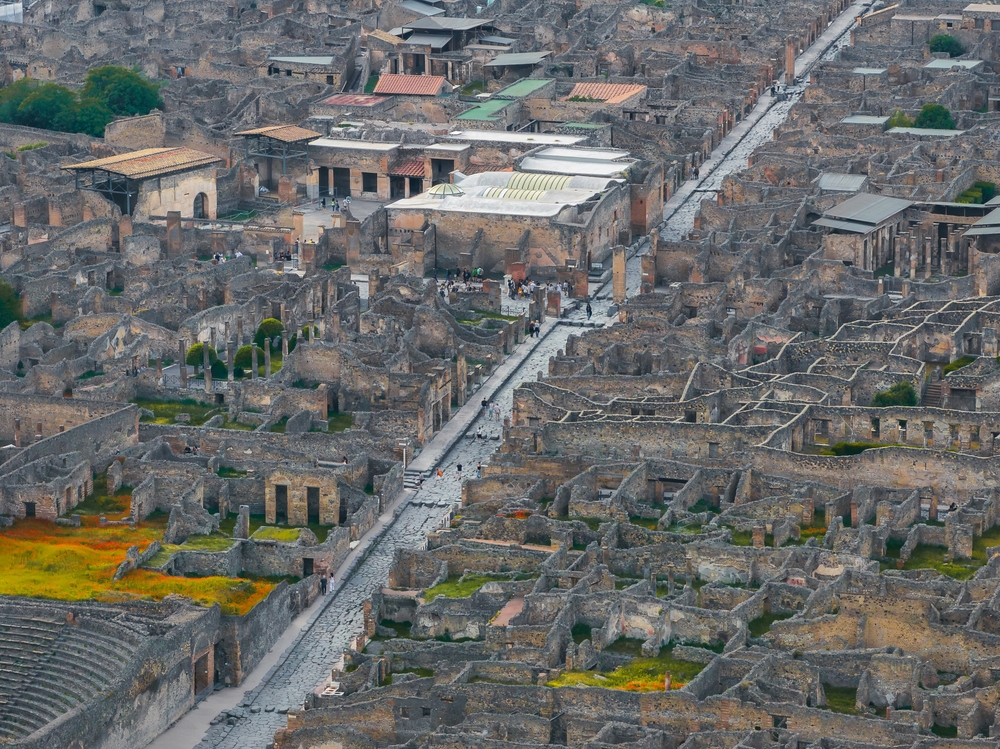
Welcome to the Pompeii Archaeological Park
The Parco Archeologico di Pompei is one of the largest and most significant open-air archaeological museums in the world. Managed by the Italian Ministry of Culture, the park encompasses the entire footprint of the ancient city — 66 hectares of streets, buildings, temples, homes, and public spaces preserved by the eruption of Mount Vesuvius in 79 AD. For anyone planning a day of pompeii city sightseeing, this is the centerpiece.
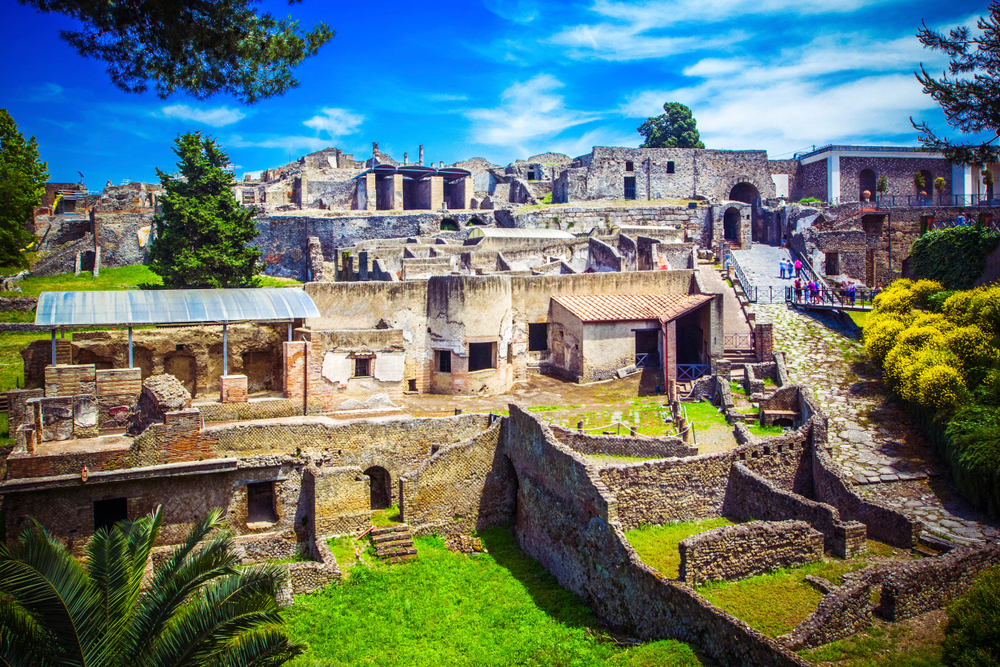
Arriving at the Park
Entrances
The park has three entrances, each offering a different starting point for your visit:
Porta Marina — The main and most popular entrance, closest to the Pompei Scavi train station. From here, you enter near the Forum, the civic heart of the ancient city. This is the busiest entrance, especially in the morning.
Piazza Anfiteatro — On the eastern side of the park, near the Amphitheatre. This entrance is often less crowded and provides access to an area rich in residential buildings and the moving Garden of the Fugitives.
Piazza Esedra — A central entrance providing balanced access to both the western (Forum) and eastern (Amphitheatre) areas of the site.
Facilities
Restrooms: Available near each entrance and at a few points within the site. They are basic but functional.
Food and drink: A small cafeteria operates near the Forum area. Vending machines are available at some points. However, options are limited — bringing your own water and snacks is strongly recommended.
Cloakroom: Free bag storage is available at each entrance. Large bags and backpacks must be checked before entering.
Audio guides: Available for rent (~EUR8) at each entrance in multiple languages. Alternatively, the free MyPompeii app provides GPS-guided narration.
First aid: Medical assistance is available at the main entrance.
Accessibility: The site has limited accessibility for wheelchair users due to the uneven ancient streets. However, accessible routes covering key highlights have been established. Wheelchairs can be requested at the entrance.
The Great Pompeii Project
The Grande Progetto Pompei, funded by over EUR105 million from the EU and Italian government since 2012, has been the most significant conservation and improvement project in the park's modern history. Key achievements include:
- Stabilization of structures at risk of collapse
- Improved drainage systems to prevent water damage
- Reopening of previously closed areas
- Enhanced security and monitoring systems
- New visitor services and wayfinding
- Advanced archaeological research using modern technology
Rules and Guidelines
- No smoking within the archaeological area
- No food or drinks near frescoes and mosaics
- No flash photography in enclosed spaces
- Do not touch or sit on ancient structures
- Stay on designated paths
- Do not remove any artifacts, stones, or materials
- Dogs are permitted on leash
- Drones are not permitted without special authorization
Size, Duration & Public Access
A common question is how long does it take to walk around pompeii. The excavated area is vast — covering roughly 44 of the total 66 hectares — so a complete circuit takes a full day of walking (6-8 hours). Most visitors choose a curated route of 3-5 hours covering the major highlights.
So how much of pompeii is open to the public? Approximately two-thirds of the ancient city has been excavated and is accessible to visitors. The remaining third remains unexcavated, deliberately preserved beneath the volcanic debris for future research. Ongoing restoration work through the Great Pompeii Project continues to reopen previously closed buildings and rooms each year.
Frequently Asked Questions
How big is the Pompeii Archaeological Park?
The park encompasses the entire ancient city of Pompeii, covering approximately 66 hectares (163 acres). About two-thirds has been excavated and is open to visitors. It takes 3-5 hours for a thorough visit.
What facilities are available at Pompeii?
The park has restrooms (near entrances and at a few points inside), a cafeteria near the Forum, water fountains at several locations, a bookshop, audio guide rental, a cloakroom for bags, and first aid services.