Daily Life in Roman Pompeii — How Ancient Romans Lived
A Day in the Life of a Roman Pompeian
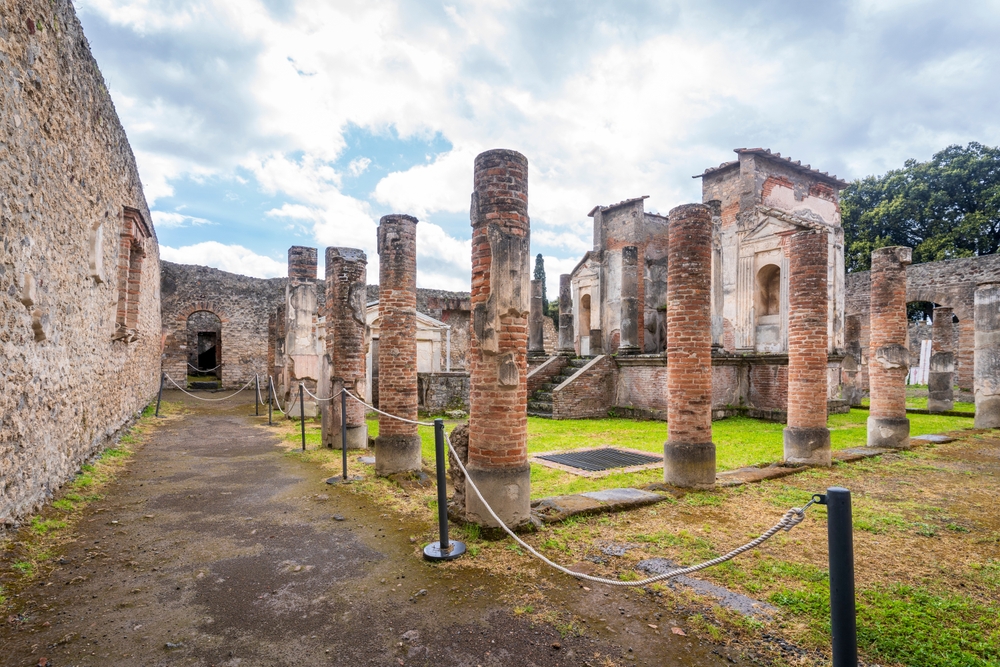
Pompeii's extraordinary preservation allows us to reconstruct pompeii city life with a level of detail impossible for almost any other site. From the moment the pompeii city people woke in the morning to the time they retired at night, we can trace the rhythms of their day through the archaeological evidence found in the pompeii city streets and homes.
Morning: Waking and Breakfast
Romans rose early, typically at dawn. Most homes lacked glass windows (though some wealthy houses in Pompeii had them), so the morning light served as a natural alarm. Breakfast (ientaculum) was a simple affair — typically bread, sometimes dipped in wine or olive oil, accompanied by cheese, fruit, or leftover food from the previous evening.
After breakfast, the head of the household (paterfamilias) would receive clients and dependents in the atrium of his house during the salutatio — a formal morning greeting that was a key ritual of the Roman patronage system. Clients came to pay their respects to their patron and might receive a small gift of food or money (sportula) in return.
Midday: Work and Commerce
Pompeii's economy was diverse and active. Archaeological evidence reveals:
Agriculture and food production: The surrounding countryside produced wine, olive oil, and grain. Within the city, at least 33 bakeries (pistrinae) have been identified, many with their original millstones still in place. Carbonized loaves of bread — round, scored into eight sections — have been found in ovens.
Manufacturing: Pompeii was a significant producer of garum, the fermented fish sauce that was a staple condiment throughout the Roman world. The city also had workshops producing textiles, pottery, metalwork, and other goods.
Commerce: Via dell'Abbondanza, the main commercial street, was lined with shops (tabernae). Painted shop signs and price lists on the walls reveal the goods and services available — from wine merchants and bakers to barbers and laundries.
Thermopolia: Perhaps the most characteristic commercial establishments in Pompeii were the thermopolia — ancient fast-food counters. Over 80 have been identified. These L-shaped counters, built into the facades of buildings, contained large terracotta jars (dolia) set into the counter surface, holding hot and cold food and drinks. A recently excavated thermopolium in Region V still contained traces of duck, pork, goat, fish, and snails.
Afternoon: Bathing and Socializing
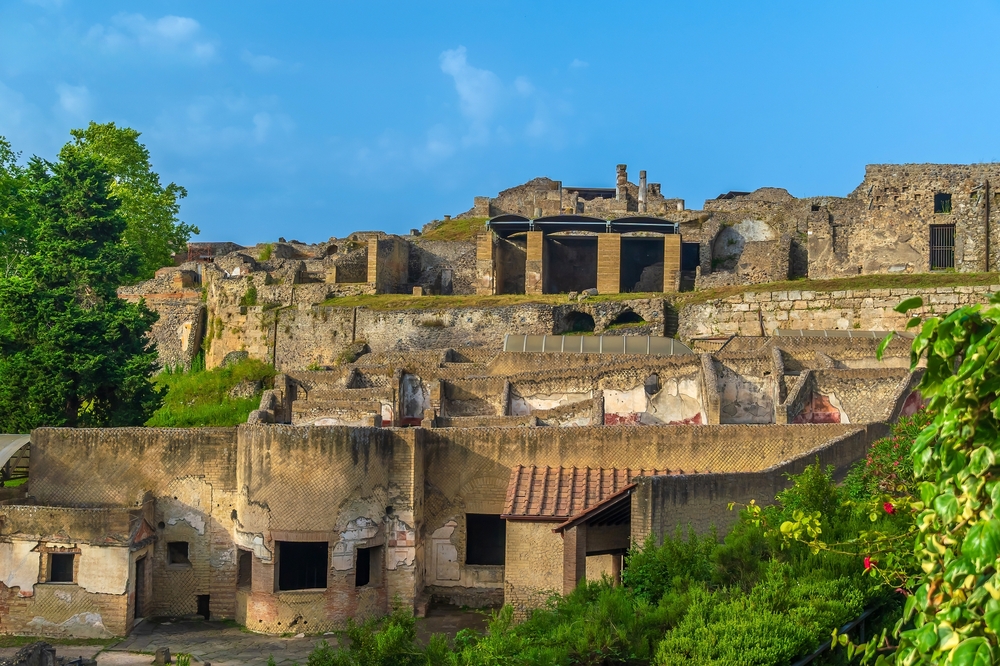
The public baths (thermae) were central to Roman social life, and Pompeii had at least four major bath complexes: the Stabian Baths (the oldest), the Forum Baths, the Central Baths (unfinished at the time of the eruption), and the Suburban Baths.
A typical bath visit followed a progression through rooms of increasing heat: the frigidarium (cold room), tepidarium (warm room), and caldarium (hot room). The floors of the heated rooms were raised on brick pillars (hypocaust system), and hot air circulated beneath the floors and through hollow walls (tubuli) to heat the rooms. Bathers would exercise, bathe, have massages, conduct business, socialize, and snack.
The baths were open to all social classes, though the wealthy might have their own private facilities at home. Separate bathing hours or facilities were provided for men and women.
Evening: Dining
The main meal of the day, cena, was eaten in the mid-to-late afternoon. For ordinary Romans, this might be a simple meal taken at a thermopolium or at home. For the wealthy, cena was an elaborate social occasion.
Formal Roman dining took place in the triclinium — a dining room with three couches arranged around a central table. Diners reclined on their left side, eating with their right hand. A formal dinner might include an appetizer course (gustatio), a main course (primae mensae) with multiple dishes, and a dessert course (secundae mensae). Entertainment during dinner could include music, poetry recitation, or performances by dancers or acrobats.
Family and Social Life
The Roman family was the basic unit of Pompeian society. The paterfamilias had legal authority over all family members, including adult sons, and owned all family property. Women, while legally subordinate, had considerable practical freedom in Pompeii — some owned businesses, participated in public life, and managed their own finances.
Children were educated at home or at small private schools. Education focused on reading, writing, arithmetic, and public speaking. Wealthier families employed Greek-speaking tutors to teach their children Greek language and literature.
Enslaved people were a significant portion of the population and performed much of the domestic and manual labor. However, the path to freedom (manumissio) was relatively common, and freed slaves (libertini) could become prosperous citizens — as evidenced by several grand houses in Pompeii that belonged to freedmen.
Religion and Ritual
Religious practice permeated daily life. Each home had a household shrine (lararium), typically a small niche or aedicula decorated with frescoes of the household gods (Lares and Penates). Daily offerings of food and wine were made at the lararium, and the household gods were invoked at meals and important family events.
Beyond the home, Pompeii's public religious life centered on numerous temples, including those dedicated to Jupiter, Apollo, Venus, Isis, and the imperial cult. Public religious festivals punctuated the calendar throughout the year.
Frequently Asked Questions
What did people eat in Pompeii?
Pompeians ate a Mediterranean diet including bread (the staple food), olives, cheese, fruits, vegetables, eggs, fish, and meat. Garum (fermented fish sauce) was a key condiment. Most Romans ate at thermopolia (fast-food counters) rather than cooking at home. Wine was consumed at every meal, usually diluted with water.
What did people do for fun in Pompeii?
Entertainment included gladiatorial games at the amphitheatre, theatrical performances at the two theatres, public baths (social gathering places), dice and board games, taverns, and public festivals. Chariot racing was popular at nearby venues.