Thermopolium — Ancient Fast Food in Pompeii
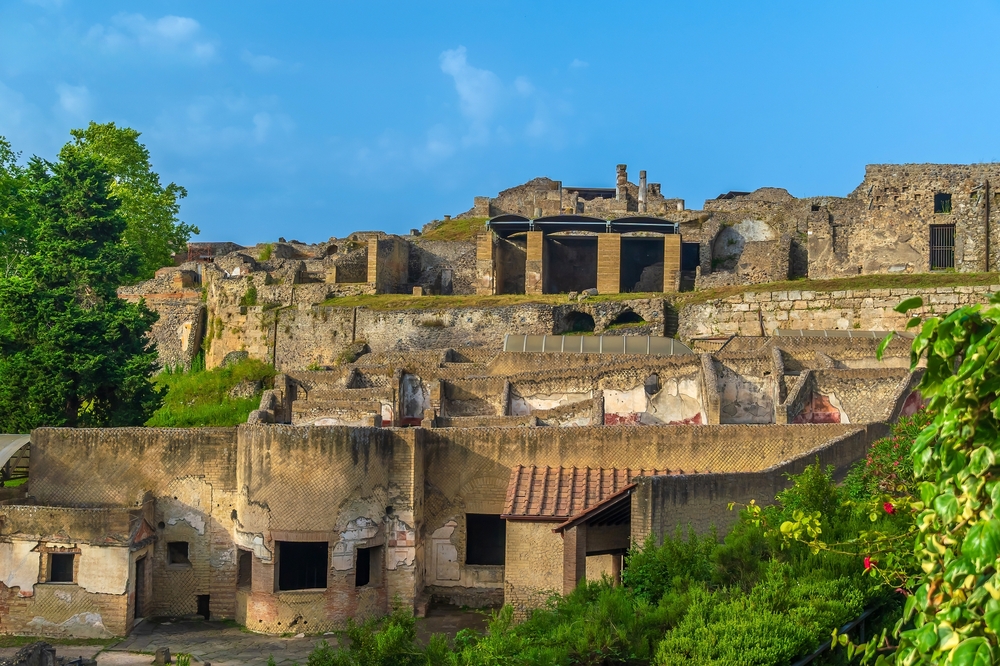
Ancient Roman Fast Food
The Pompeii thermopolium is among the most evocative and relatable features of this pompeii ancient city. These ancient fast-food counters — over 80 have been identified — reveal that the modern habit of grabbing a quick bite on the go is nothing new. Two thousand years ago, Pompeians were doing exactly the same thing, and each thermopolium offers a vivid snapshot of pompeii city life.
What Was a Thermopolium?
The word "thermopolium" comes from the Greek thermos (hot) and poleo (to sell) — literally, a place that sells hot things. Thermopolia were simple establishments, typically occupying the ground floor of a building with an L-shaped or straight counter opening directly onto the street.
Built into the counter surface were large terracotta jars (dolia), usually two to four in number, which held hot and cold prepared foods and drinks. The counter itself was often decorated with colorful marble fragments or painted plaster. Some thermopolia had a small back room for seated dining, while others were purely takeaway operations.
What Did They Serve?
Evidence from across Pompeii suggests thermopolia served a variety of foods:
- Hot stews and soups
- Porridge and grains
- Cheese and eggs
- Dried fruits and nuts
- Wine (usually diluted with water, sometimes served hot and spiced)
- Bread (purchased separately from bakeries)
The 2020 Discovery
In December 2020, archaeologists announced the discovery of a remarkably well-preserved thermopolium in Region V. This find captivated the world because of the exceptional state of its decoration and the food remains found within.
The counter is decorated with vibrant frescoes depicting:
- A Nereid (sea nymph) riding a sea-horse
- A pair of ducks
- A rooster
- A dog on a leash
Analysis of the food remains found in the dolia revealed traces of duck, pig, goat, fish, and snails — suggesting a diverse menu. Amphorae (clay storage jars), a bronze drinking bowl, and a flask containing fava beans were also found. The remains of a small dog and a human skeleton (possibly a man in his fifties) were found within the establishment.
This thermopolium is now one of the star attractions for visitors to Pompeii's newly excavated areas.
Social Significance
Thermopolia were not just food outlets — they were social gathering places where neighbors met, gossip was exchanged, and business was conducted. They served an essential function in a city where most residential buildings had only minimal cooking facilities (a small charcoal brazier at best). For the average Pompeian, eating at a thermopolium was not a luxury but a daily necessity.
The prevalence of thermopolia also reflects the Roman social hierarchy. Wealthy citizens dined at home in their triclinia, served by enslaved cooks. Middle-class and poor residents — the majority of the population — depended on thermopolia and taverns for their hot meals.
Pompeii: Small Group Tour with an Archaeologist
See it with an expert — a small-group walk through Pompeii led by a professional archaeologist.
Frequently Asked Questions
What is a thermopolium?
A thermopolium (plural: thermopolia) was an ancient Roman fast-food establishment — a counter built into the front of a building with large clay jars (dolia) set into the surface to hold hot and cold prepared food and drinks. They were the ancient equivalent of modern takeaway restaurants or street food stalls.
How many thermopolia were found in Pompeii?
Over 80 thermopolia have been identified in Pompeii, indicating that eating out was a common practice. Most ordinary Romans, especially those living in small apartments without cooking facilities, relied on thermopolia for their daily meals.